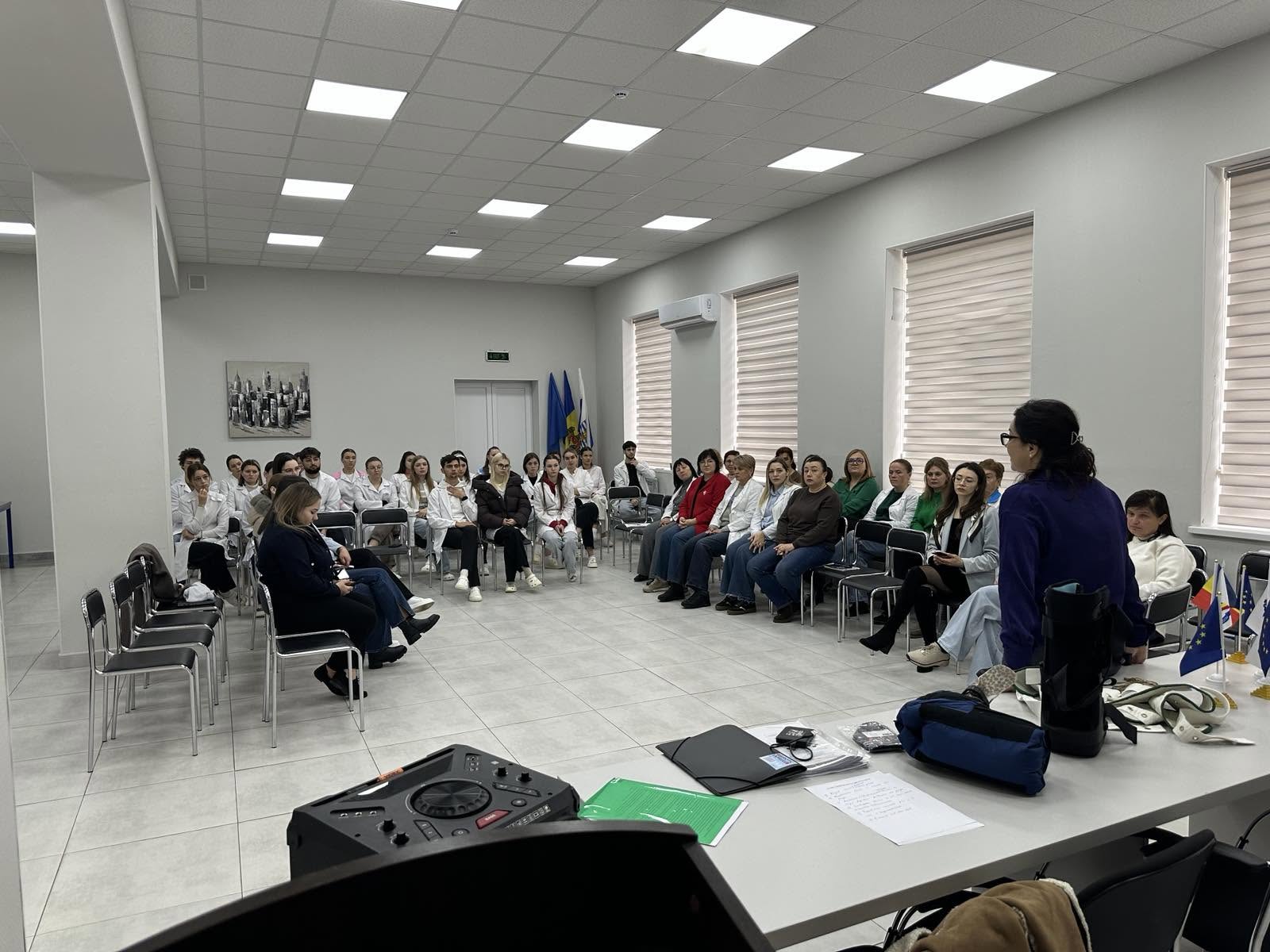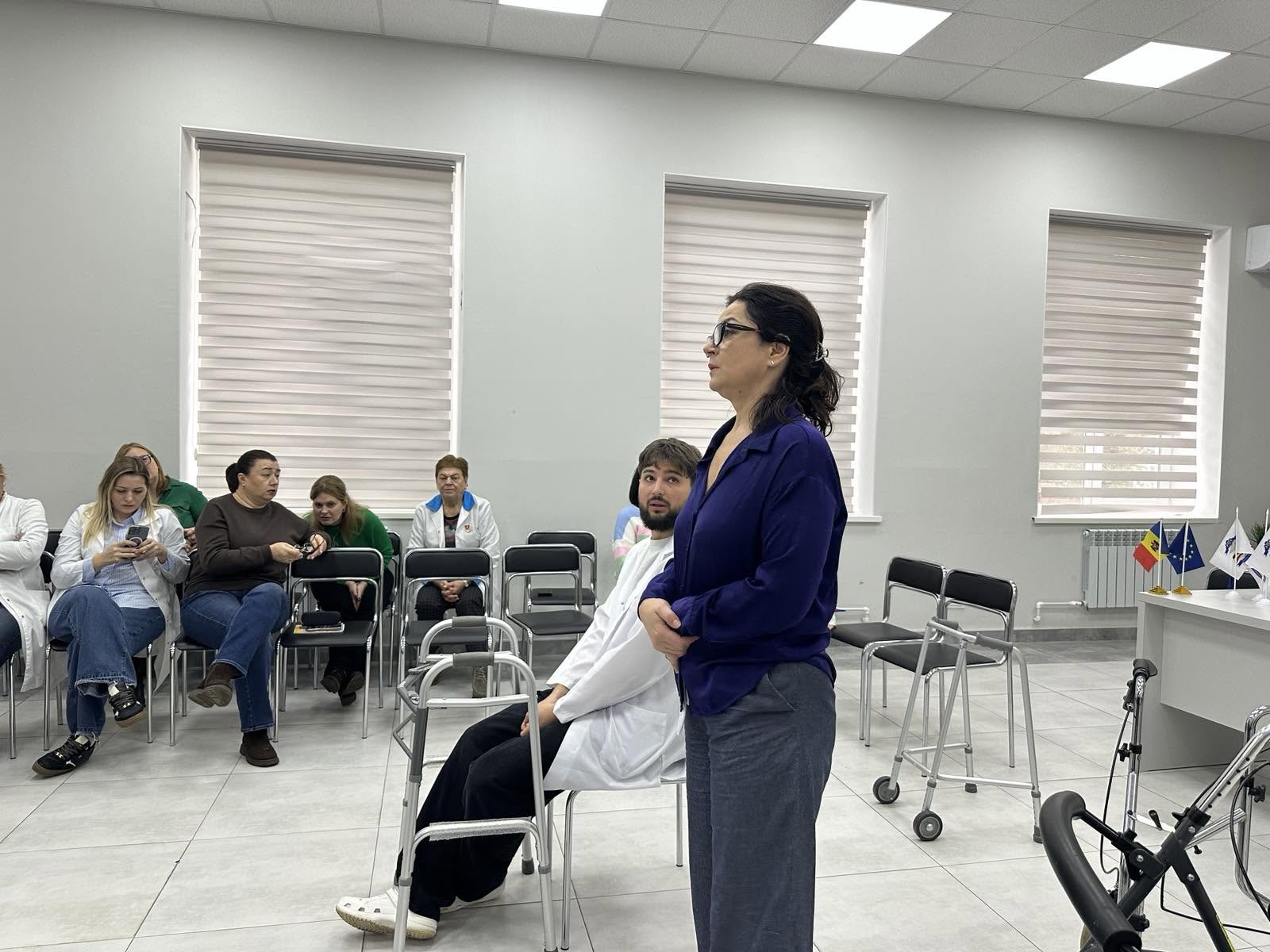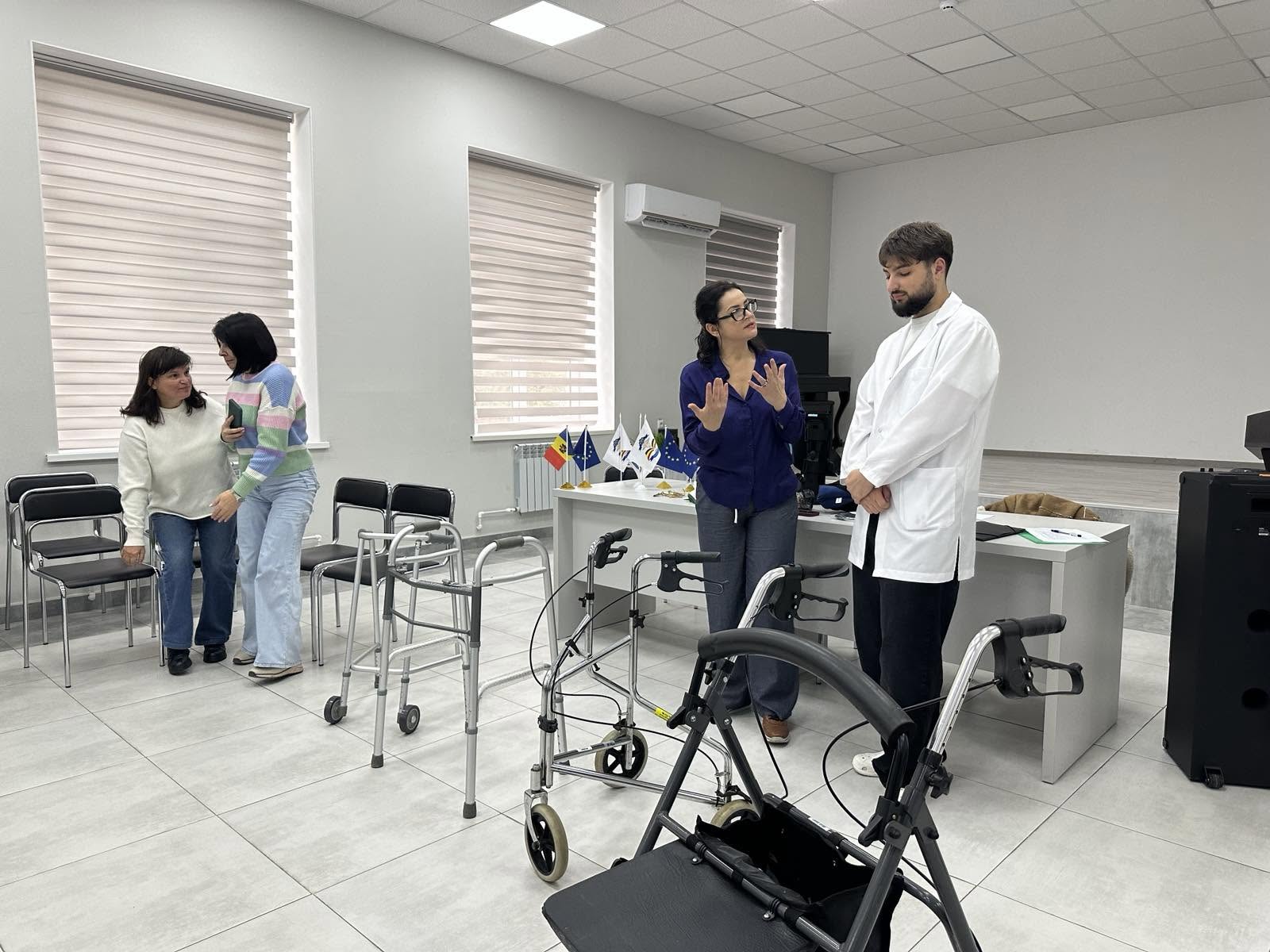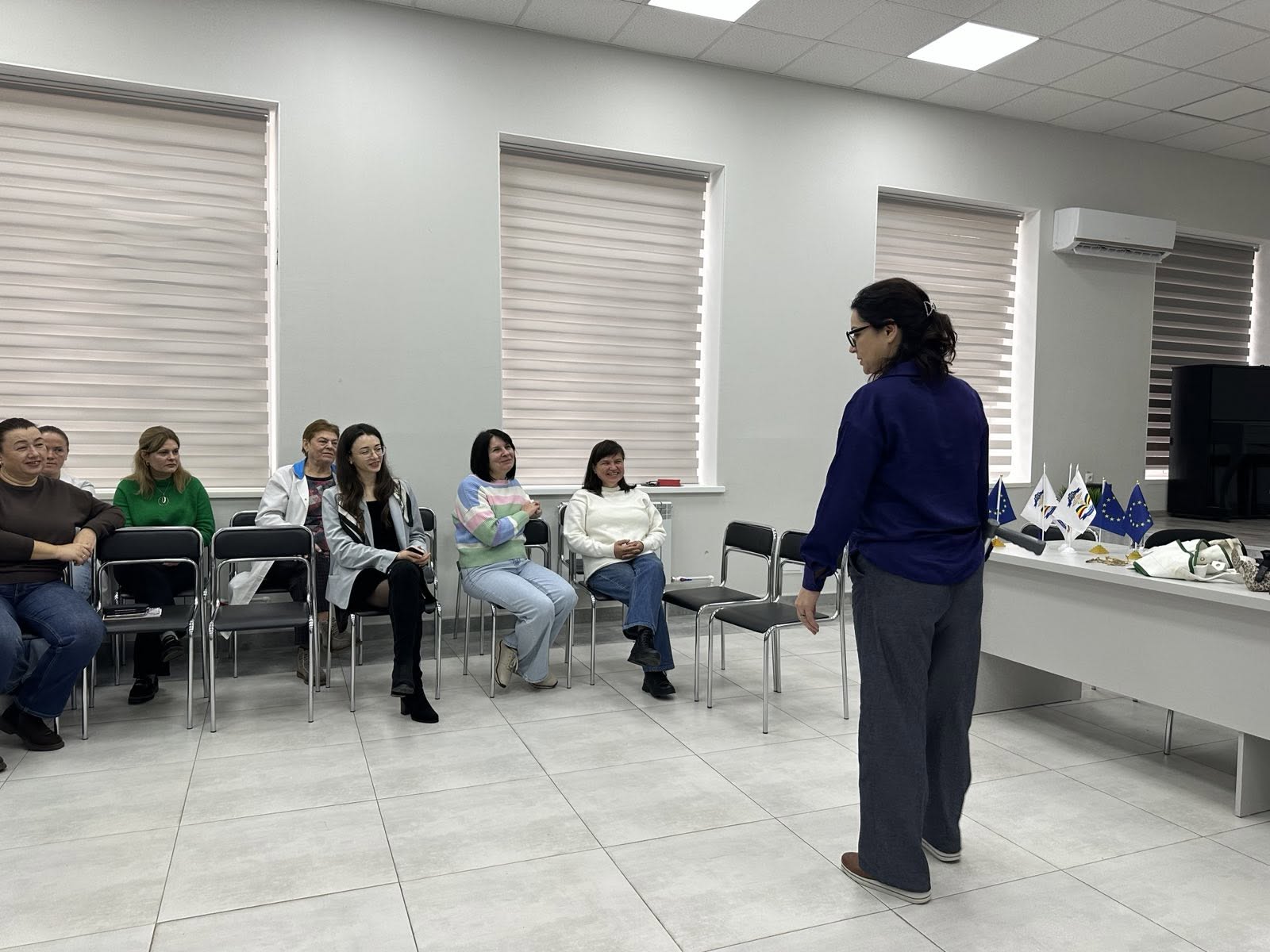
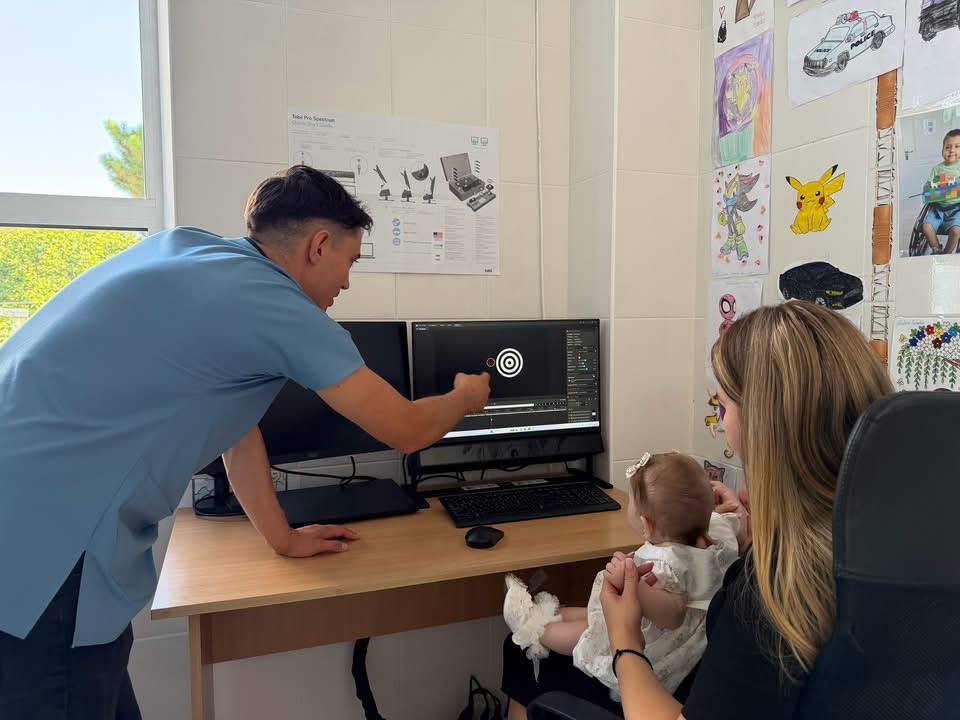

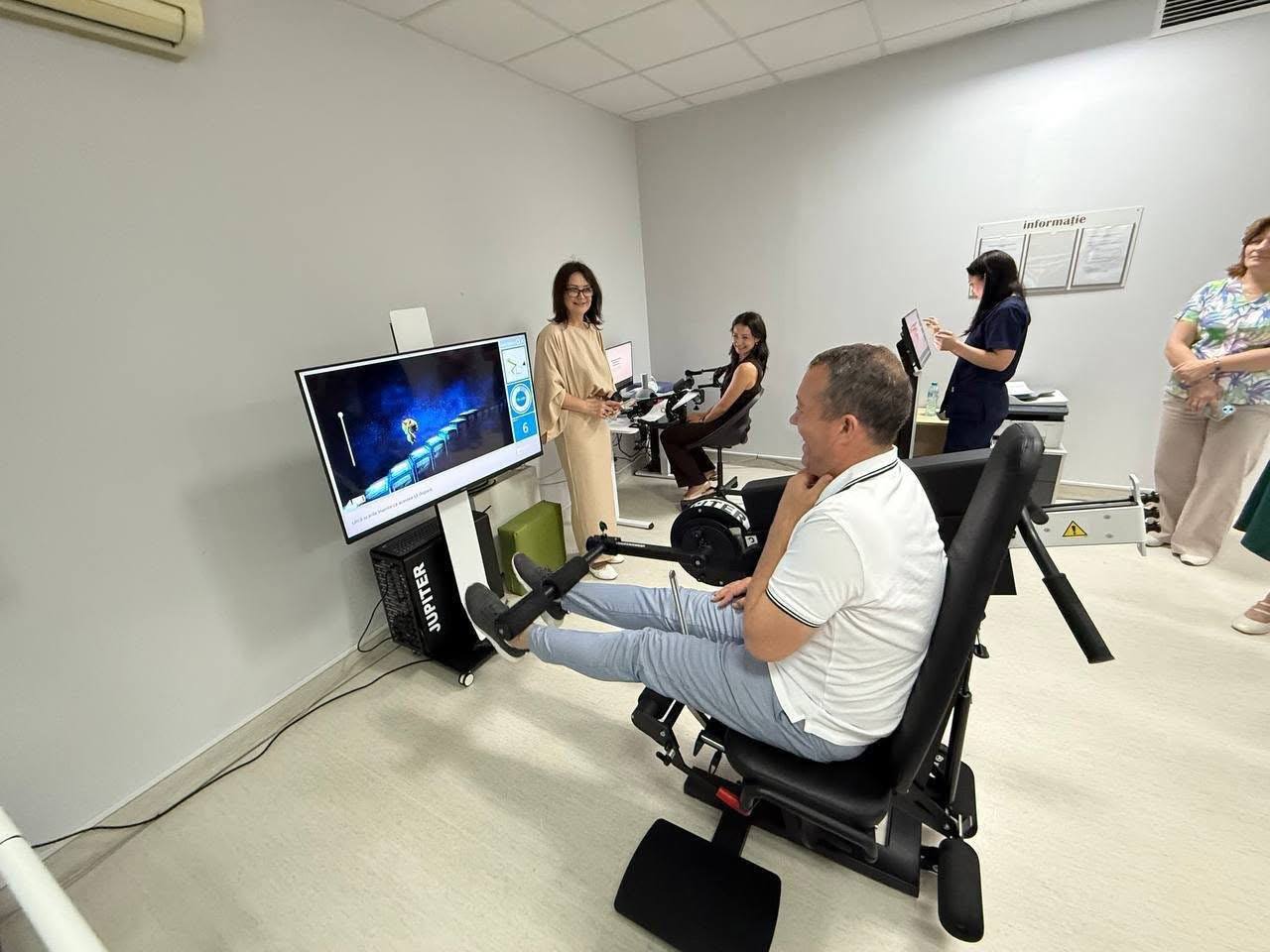
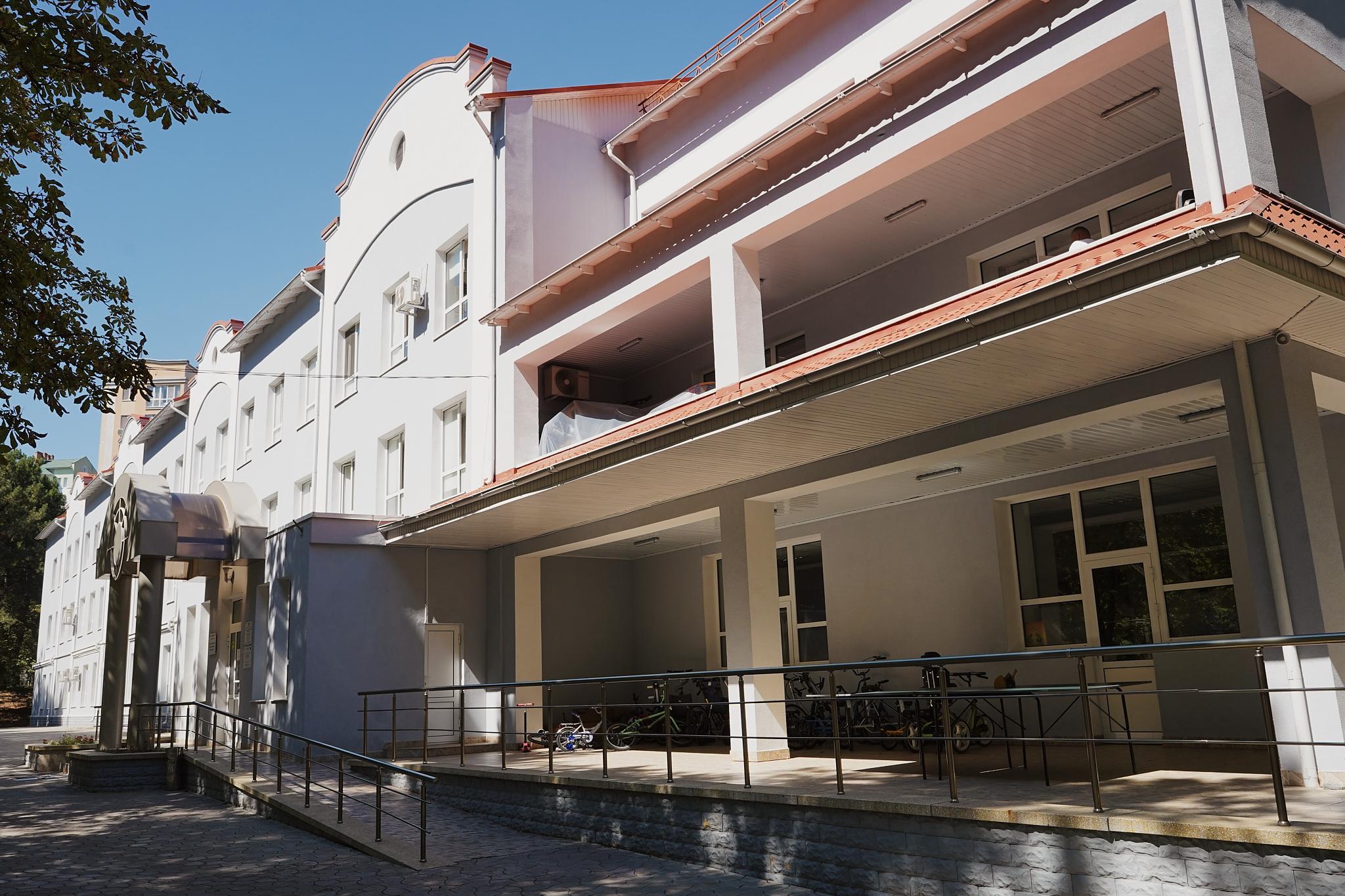
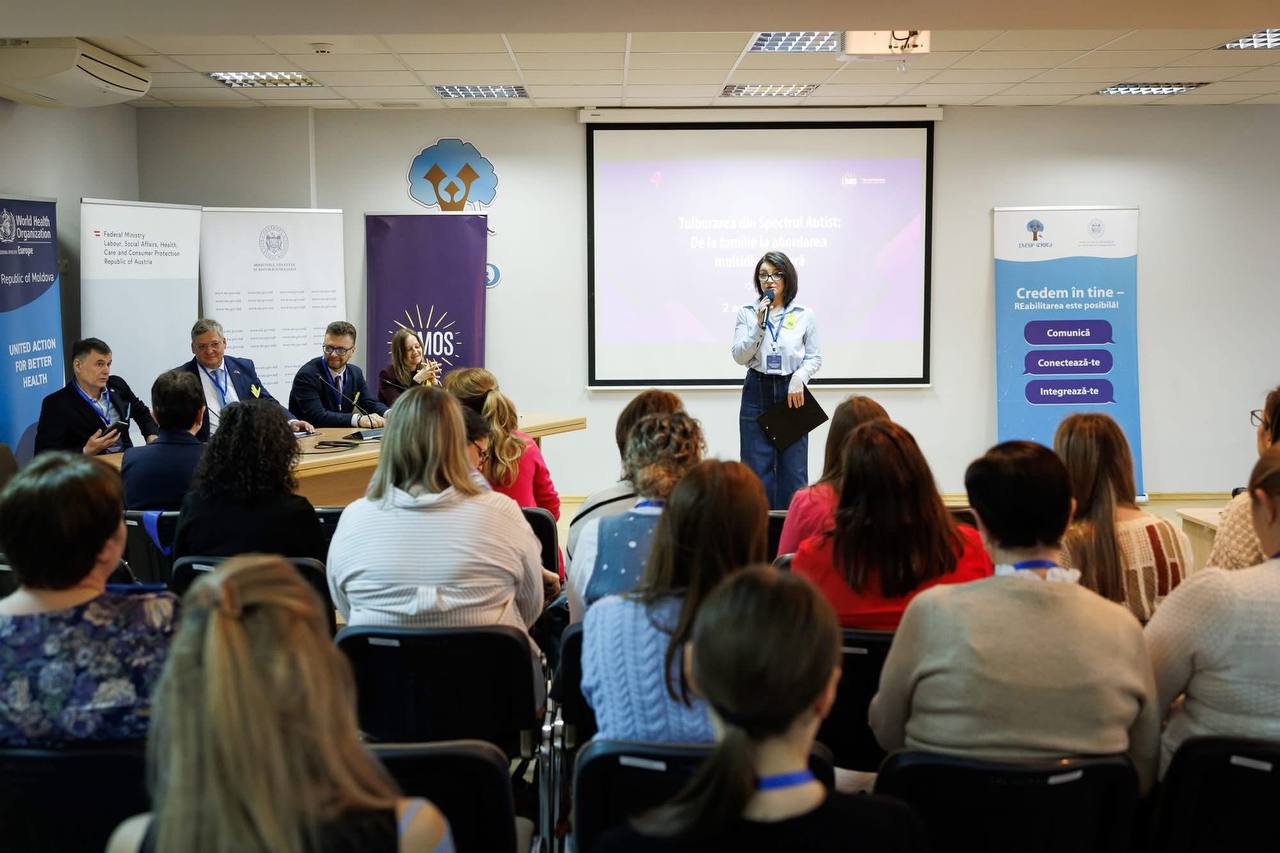
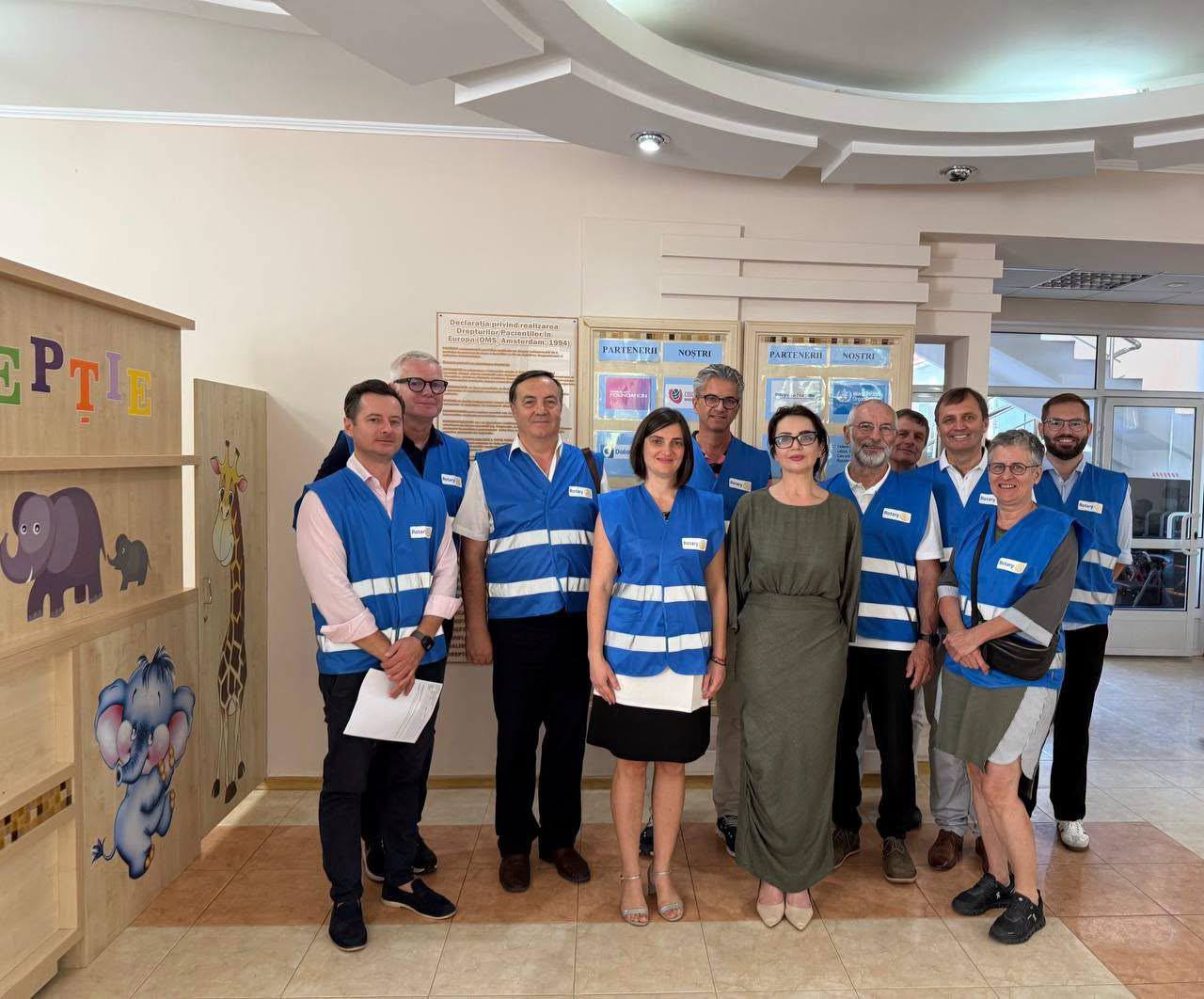
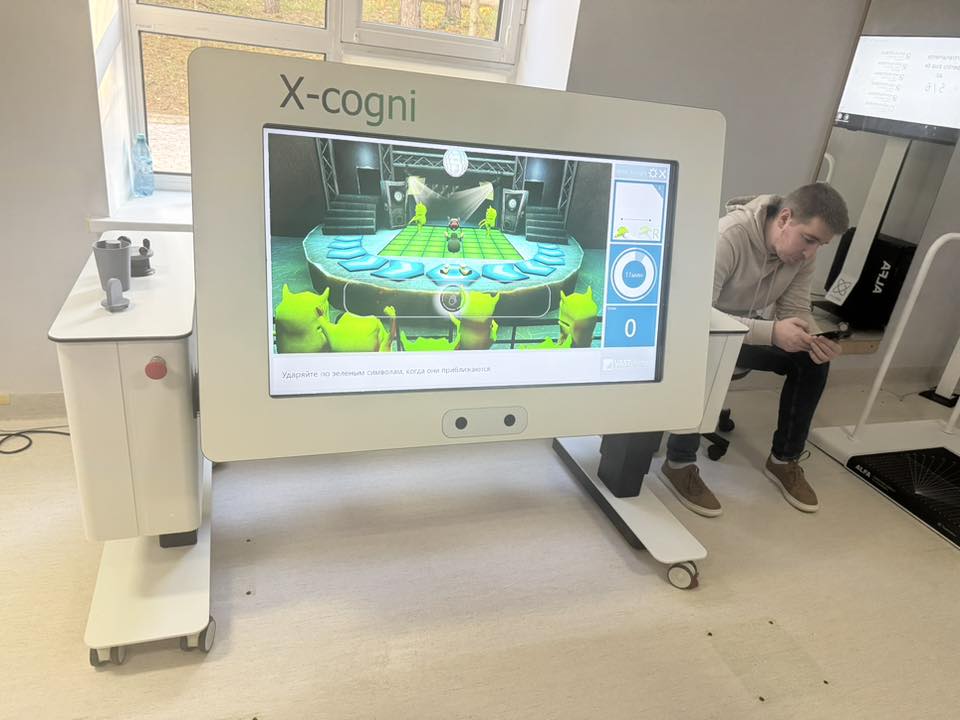
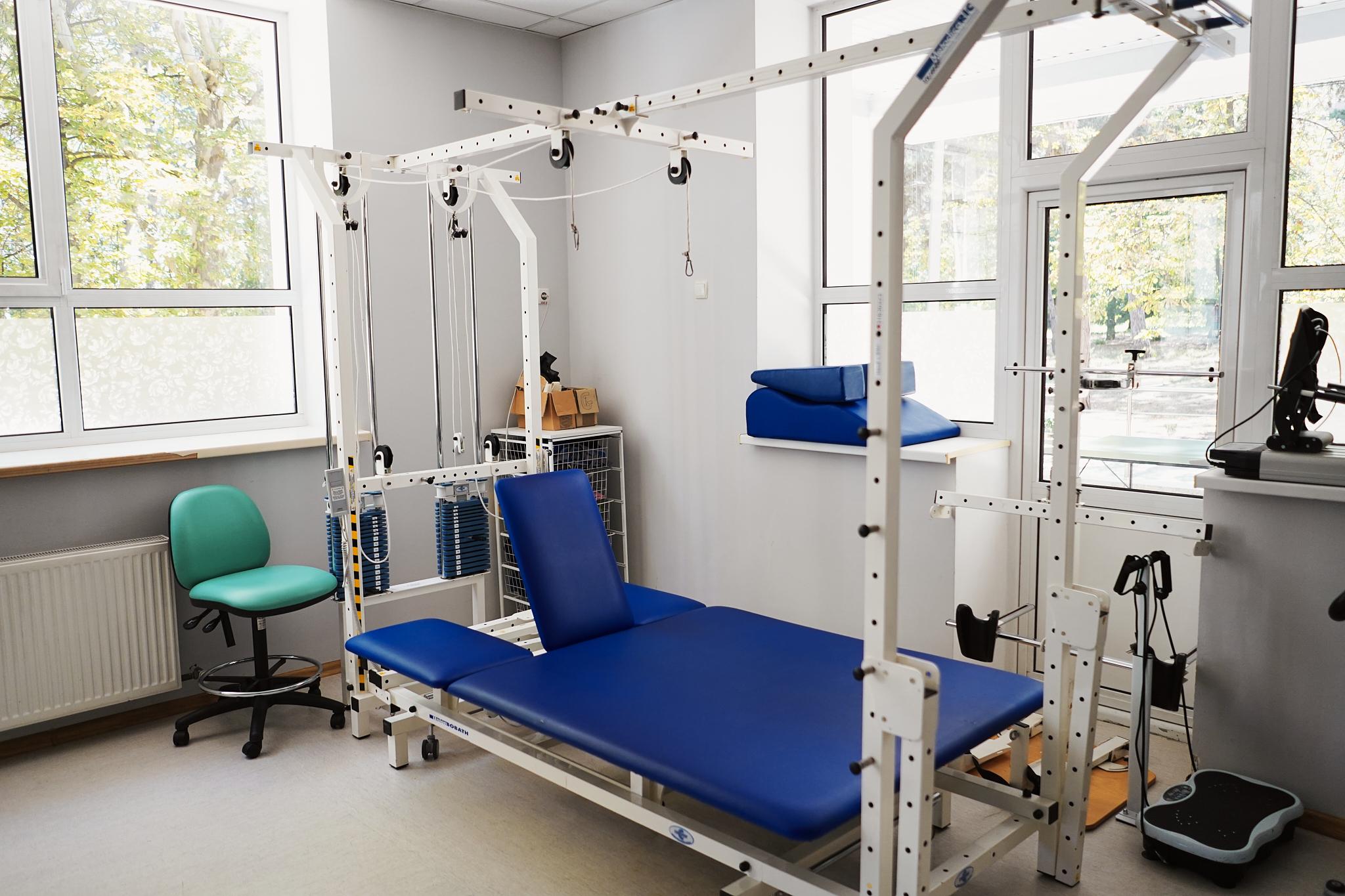
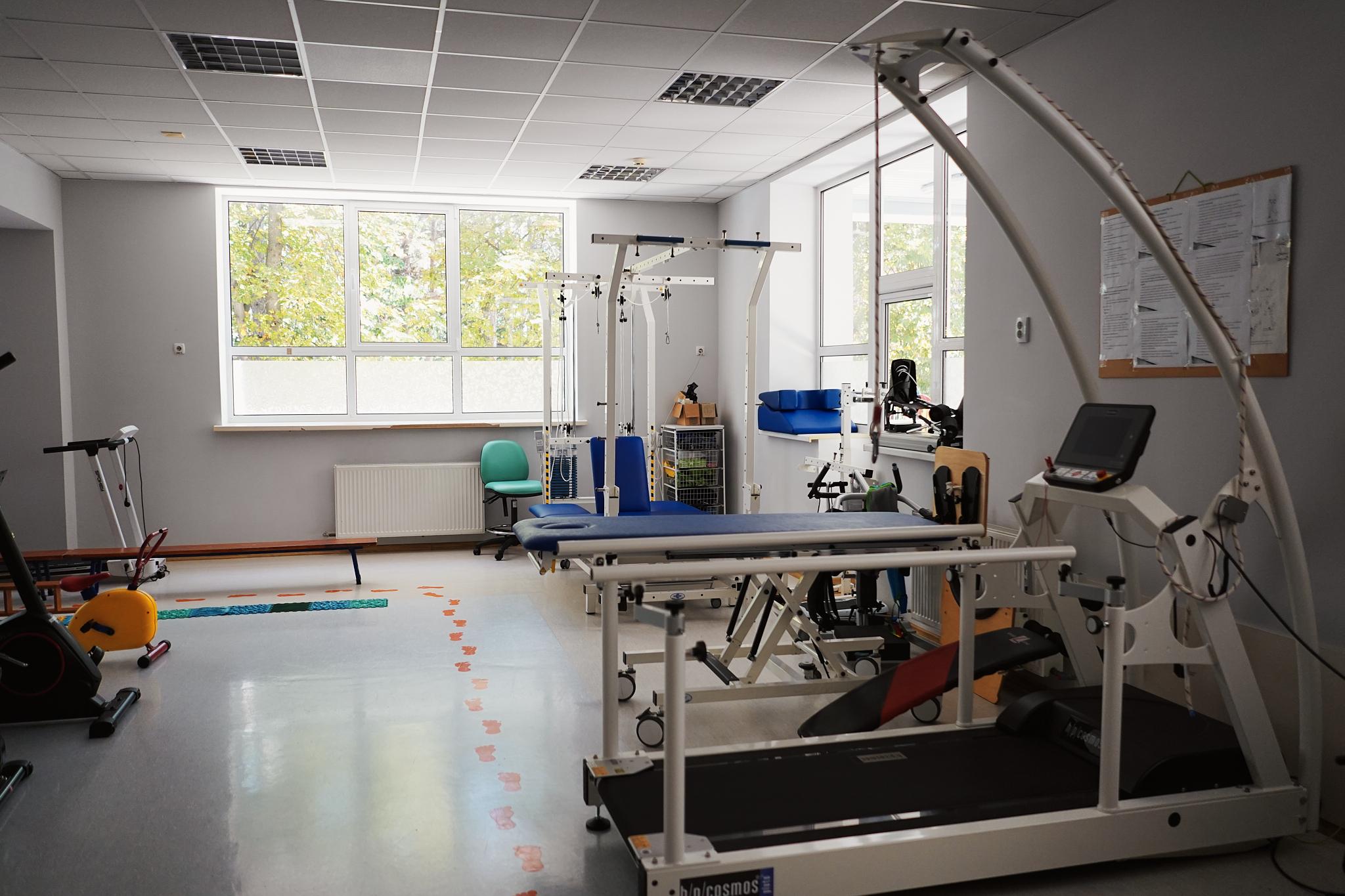
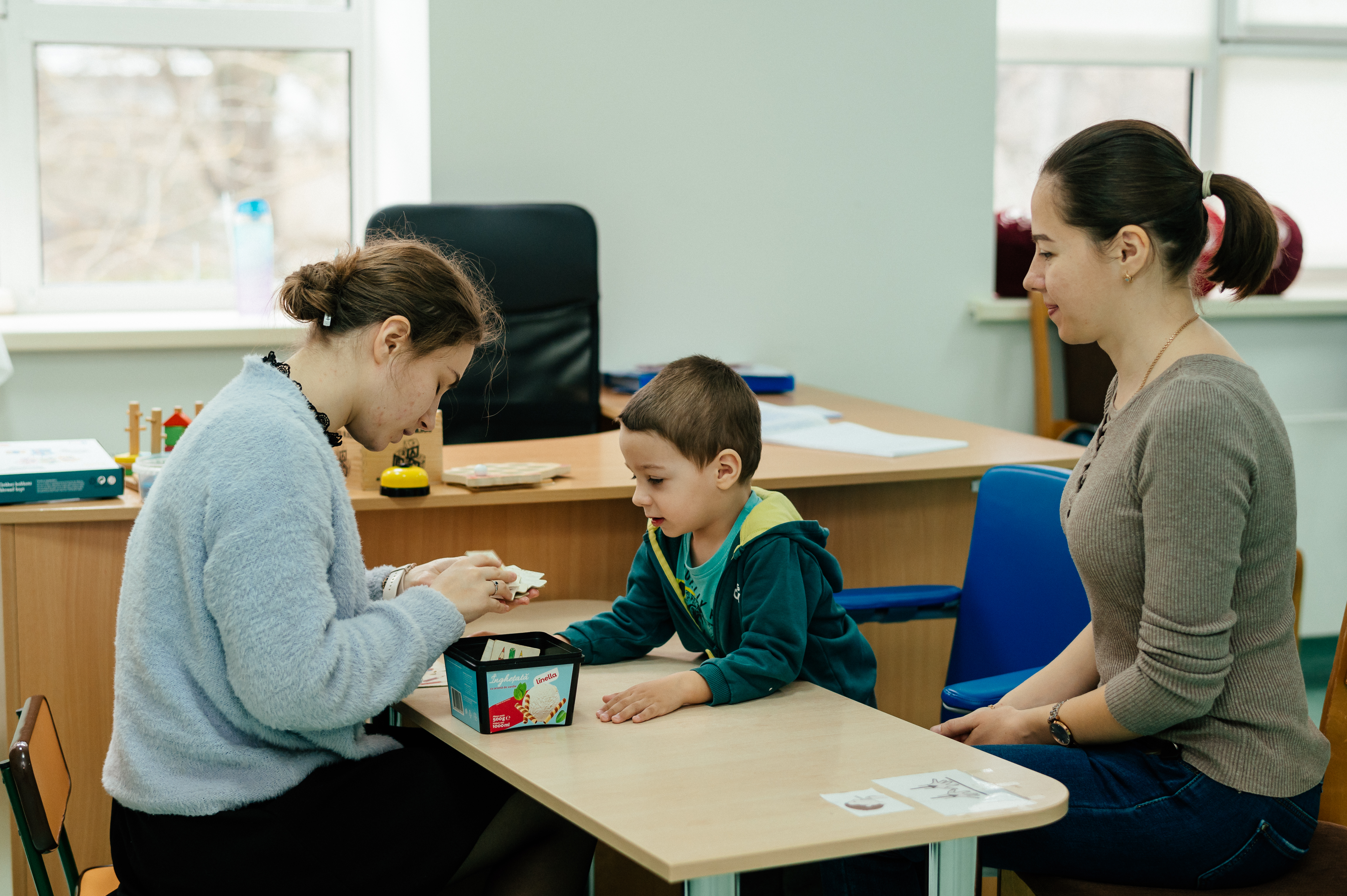
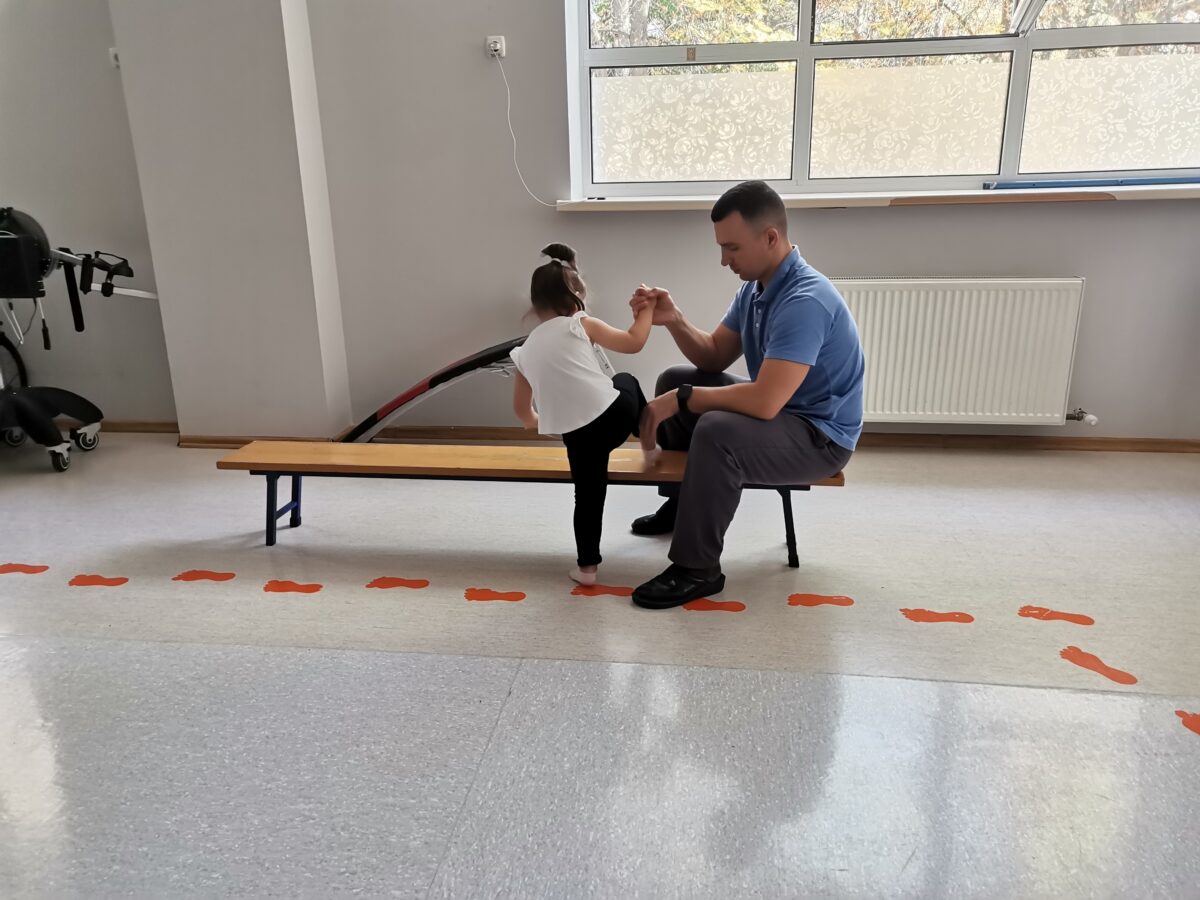
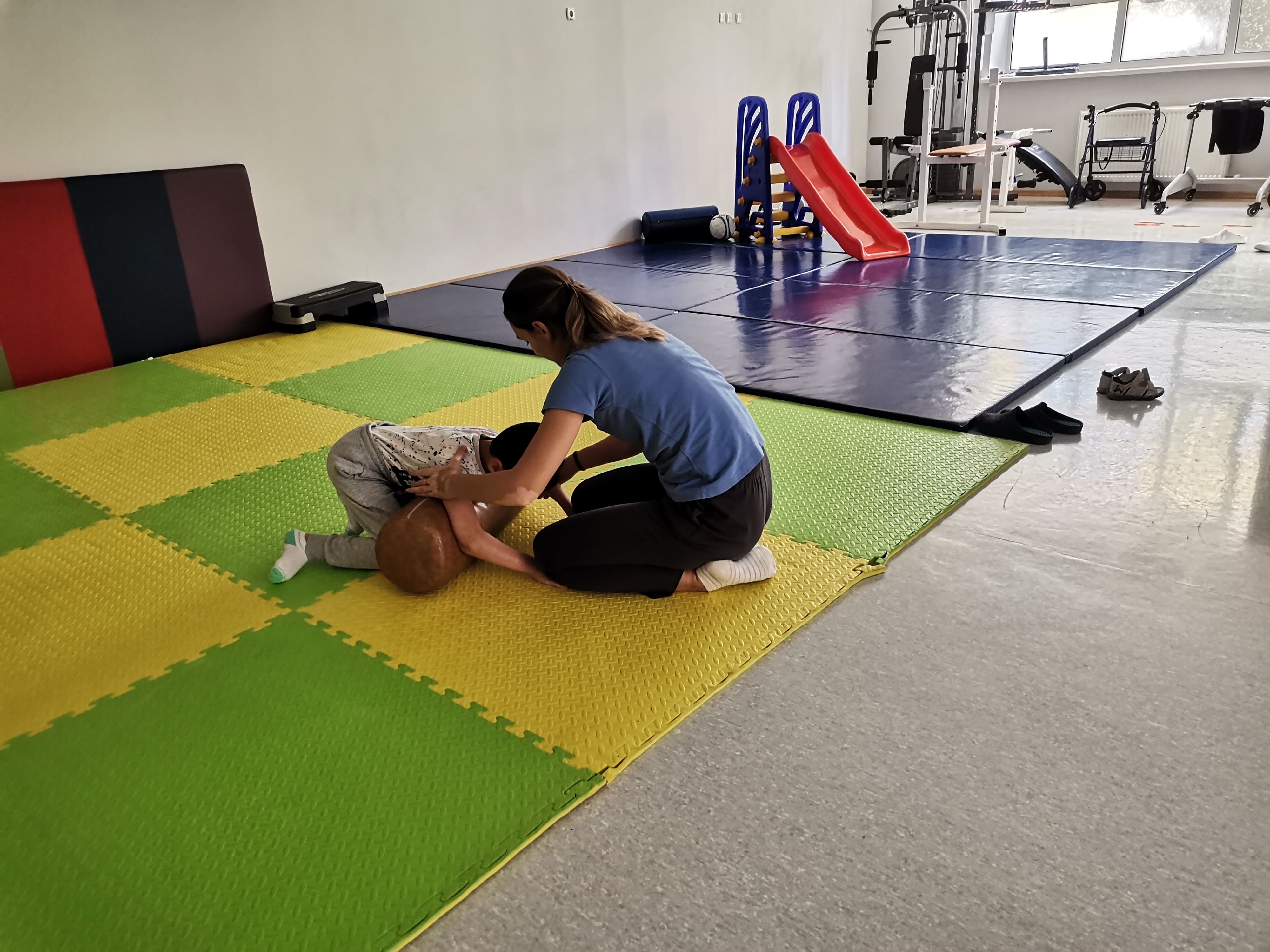
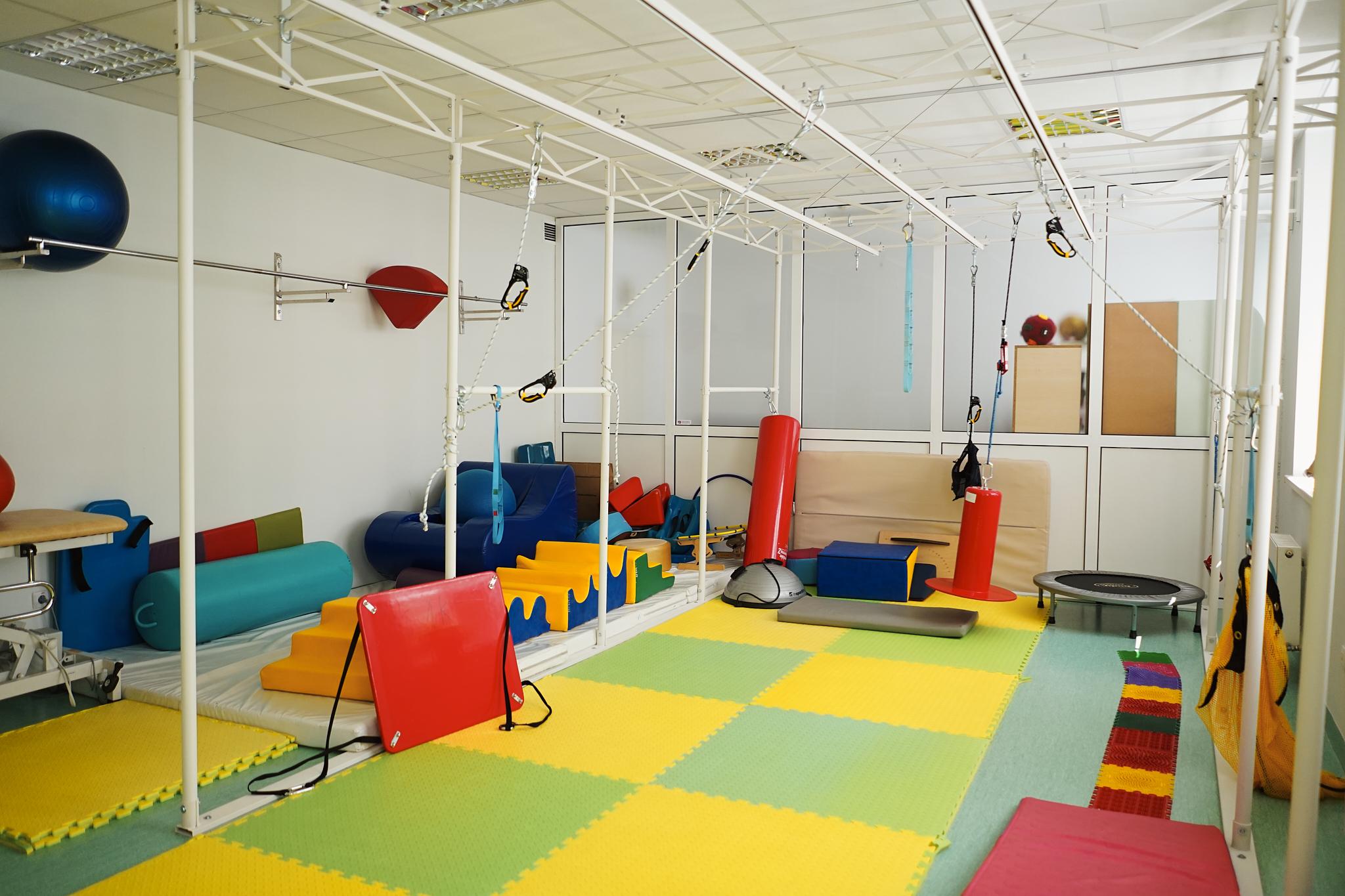
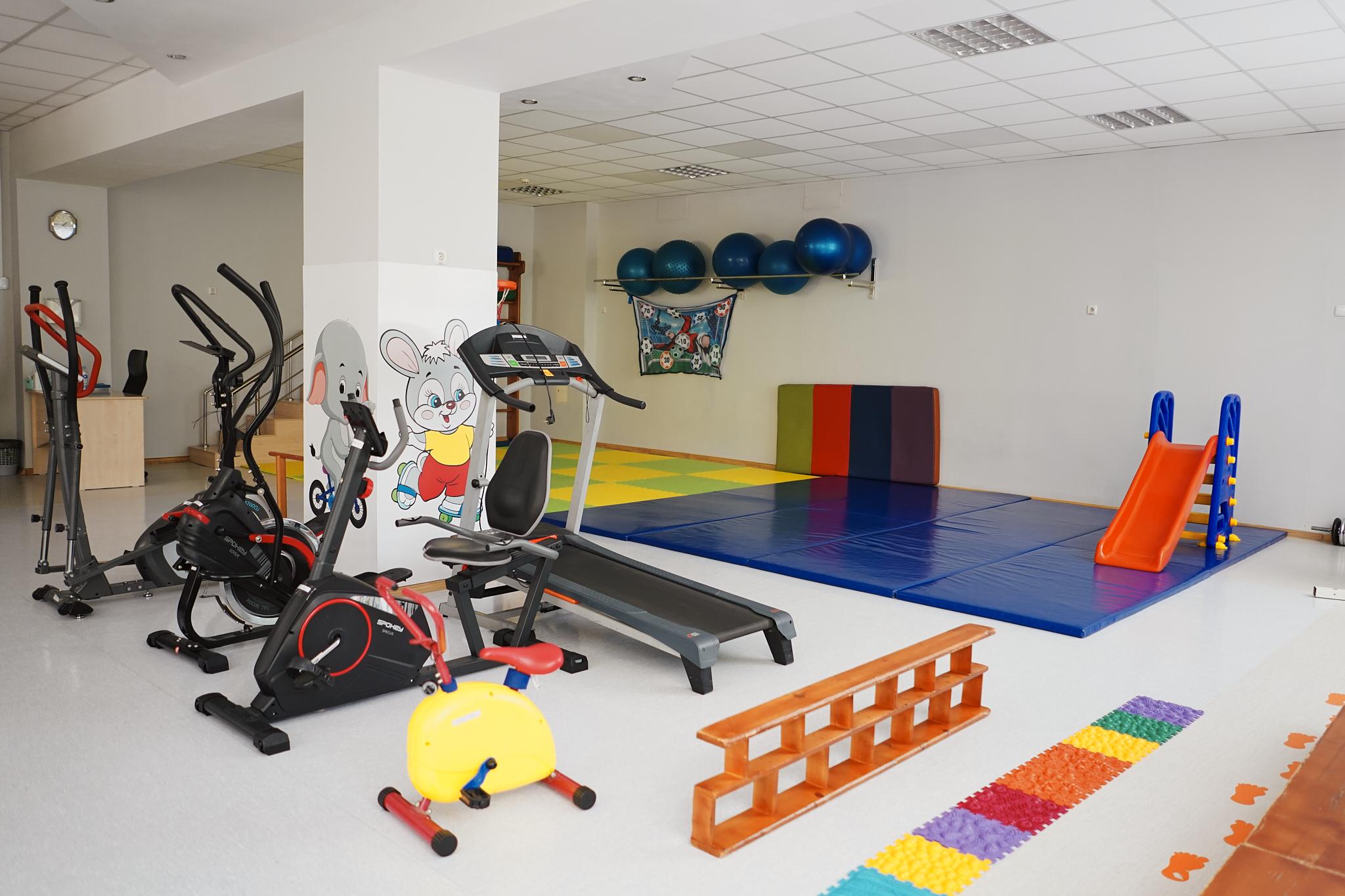
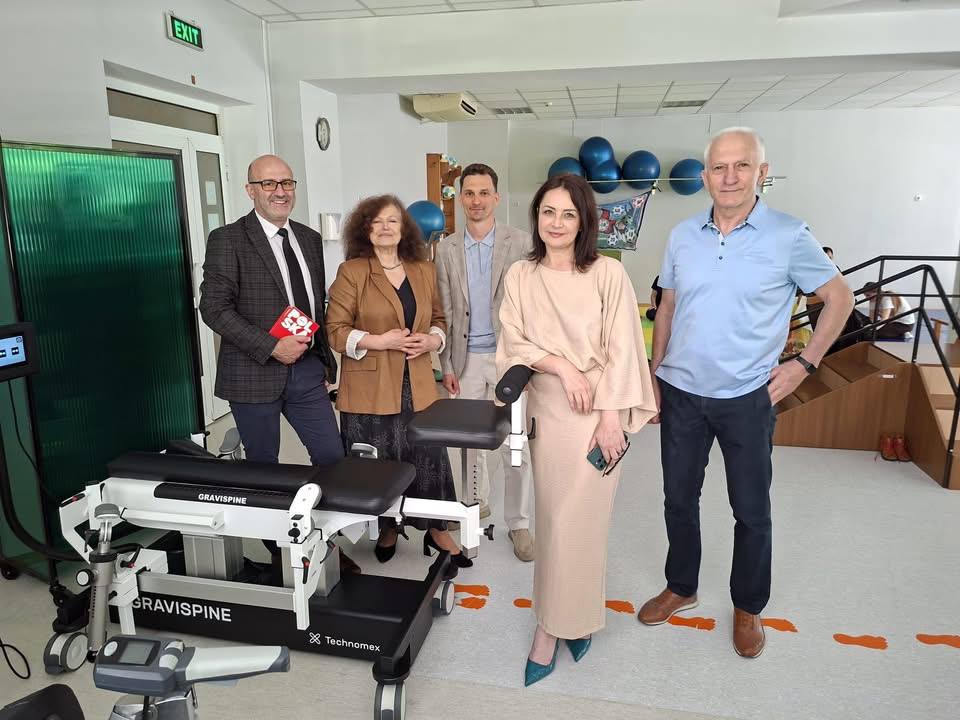

At the Bălți Medical College, faculty members and students recently participated with great interest in training on assistive technologies. The training was organized by WHO Moldova—at the request of and in support of the Ministry of Health—in partnership with the Republican Rehabilitation Center for Children. Participants acquired knowledge and practical skills regarding the assessment of needs, as well as the selection, prescription, adjustment, use, and monitoring of assistive devices.
For thousands of people, assistive technologies mean greater independence, increased participation, and a better quality of life. Therefore, it is essential that future doctors and nurses know not only how to recommend these devices but also how to instruct users on how to employ them correctly and safely.
The training is based on the “Training in Assistive Products” (TAP) program, developed by the World Health Organization to build core competencies in the field of assistive technologies. Some of the TAP modules are also available on the WHO Academy platform, providing additional learning opportunities for healthcare professionals.
This initiative marks the beginning of a broad capacity-building effort in the field of assistive technologies. Its goals include establishing a network of trainers across all medical colleges in the Republic of Moldova, and subsequently developing and integrating this subject into the training curricula for future healthcare workers. Further training sessions will take place in Orhei, Cahul, and Chișinău, contributing to the strengthening of rehabilitation services and expanding access to assistive technologies throughout the country. Similar activities were previously carried out for professionals in the social sector, who received both training and assistive equipment—donated by PhysioNet UK and delivered with the support of WHO Moldova. Furthermore, the distribution of this equipment across the country and the training courses were made possible thanks to the support of the Austrian Federal Ministry for Social Affairs, Health, Care and Consumer Protection, and the Austrian Embassy in the Republic of Moldova.